
Eggs are a staple in cuisines worldwide, revered for their versatility, nutrient content, and affordability. However, determining whether an egg is still good to consume can be a bit of a mystery. As a naturally packaged food item, eggs don’t come with a straightforward expiration indicator. Fortunately, a combination of simple tests and best practices can help you determine egg freshness and ensure safety in your culinary adventures. In this blog post, we’ll explore several methods to assess egg quality and provide practical tips to help you make the most of this nutritious food.
Understanding Egg Freshness
Before diving into the techniques to test egg freshness, it’s important to understand why eggs lose their freshness over time. As eggs age, their composition changes due to factors such as temperature and time. The main changes include:
1. Evaporation: Eggs have porous shells, which means moisture can slowly evaporate over time. As moisture and carbon dioxide escape, the egg’s internal contents shrink and the air cell inside enlarges.
2. pH Changes: Fresh eggs are slightly acidic. As they age, the pH level increases, causing the egg whites to thin out and the yolk to flatten.
3. Bacterial Growth: Over time, eggs can become more susceptible to bacterial growth, particularly if not stored correctly.
Understanding these factors can help explain why certain freshness tests work.
Methods to Determine Egg Freshness
The Float Test
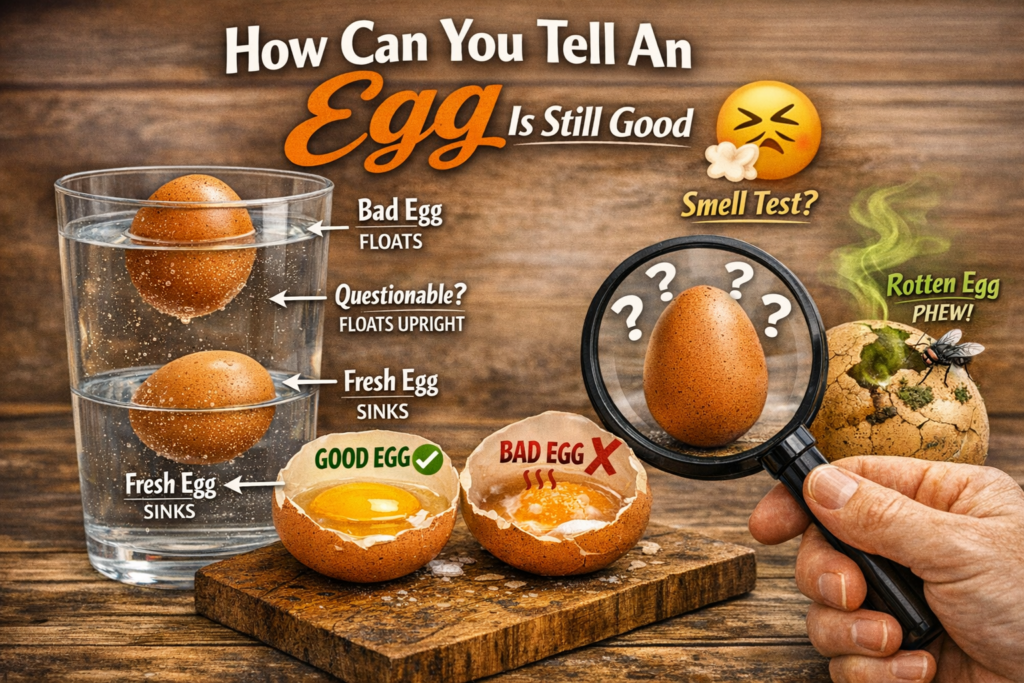
The ubiquitous float test is perhaps the most popular method for checking egg freshness. This method is based on changes in the size of the air cell within the egg.
Procedure:
1. Fill a bowl with water deep enough to fully submerge the egg.
2. Gently place the egg in the water.
Results:
– Sinks and lays flat on the bottom: The egg is very fresh.
– Sinks but stands upright on the bottom: The egg is still good but should be used soon.
– Floats to the top:The egg is no longer fresh and should be discarded.
Why It Works: As the egg ages, moisture and carbon dioxide escape, increasing the size of the air cell, which makes the egg buoyant.
The Shake Test
The shake test relies on sound and feel to detect changes in the egg’s consistency.
Procedure:
1. Hold the egg close to your ear.
2. Gently shake it back and forth.
Results:
– Little to no sound/movement: The egg is fresh.
– Noticeable sloshing sound: The egg is likely older and the contents have become more fluid, suggesting it might be past its prime.
Caveat: This test is more subjective than others and should be used in conjunction with other methods.
The Candle or Bright Light Test
The candling method is an ancient technique historically used by egg producers. It uses light to inspect the inside of the egg.
Procedure:
1. In a dark room, hold a flashlight or a small light source against the large end of the egg.
2. Tilt the egg slightly and rotate it slowly to observe the inside.
Results:
– Well-defined yolk and small air cell: The egg is fresh.
– Indistinct yolk with a large air cell: The egg is older and potentially less fresh.
Why It Works: This method allows you to observe the egg’s air cell and consistency without breaking it.
The Sniff Test
The most straightforward, albeit least appealing, method is the sniff test, which immediately reveals spoilage.
Procedure:
1. Crack the egg into a bowl.
2. Smell the contents directly.
Results:
– Neutral or no discernible odor: The egg is good to use.
– Sour or unpleasant odor: The egg is spoiled and should be discarded.
Tip: Always trust your senses. An off-putting smell is a clear indication to avoid consumption.
Best Practices for Storing Eggs
Prevention is the best approach to ensure egg freshness. By adopting proper storage techniques, you can significantly extend the shelf life of your eggs.
Refrigeration
– Temperature: Store eggs in the refrigerator at a consistent temperature between 33°F and 40°F (1°C to 4°C).
– Placement: Keep eggs in their original carton and place them on a shelf rather than the refrigerator door, where temperatures fluctuate more.
Handling and Hygiene
– Storage Position: Store eggs with the larger end up; this helps keep the yolk centered and minimizes contact with the air cell.
– Washing: Avoid washing eggs unless you intend to use them immediately, as washing can remove the protective bloom and increase permeability.
Shelf Life
– Raw Eggs: When stored properly, raw eggs can remain fresh for 3-5 weeks after purchase.
– Hard-Boiled Eggs: Once cooked and refrigerated, hard-boiled eggs are best consumed within a week.
Egg Freshness and Food Safety
While the aforementioned methods provide reliable indicators of freshness, it is essential to always prioritize food safety. Consumption of spoiled eggs can lead to foodborne illnesses caused by bacteria such as Salmonella. By selecting reputable suppliers, practicing safe kitchen habits, and relying on effective freshness tests, you can enjoy eggs without compromising your health.
Conclusion
Eggs are a nutritious and versatile food, but ensuring their freshness is crucial for both enjoyment and safety. By employing these simple testing methods and adopting best storage practices, you can confidently navigate the world of egg freshness. Whether you’re making a hearty breakfast or a delicate meringue, knowing how to determine if an egg is still good is an essential skill for any home cook. Remember, when in doubt, it’s better to err on the side of caution and dispose of questionable eggs. With these insights, you can make the most of your grocery store finds and elevate your culinary creations.